
Cabo Fish Species – Offshore & Inshore Fishing Guide
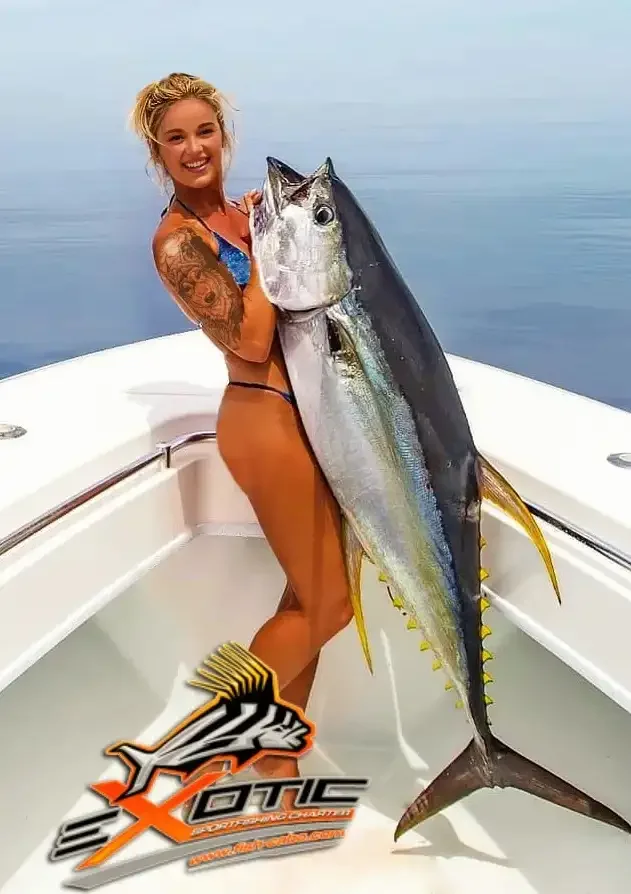
Wondering what fish you can catch in Cabo? The waters around San José del Cabo and Los Cabos offer a wide variety of offshore and inshore fishing opportunities throughout the year.
This Cabo fish species guide introduces 20 fish found in the region, including striped marlin, blue marlin, yellowfin tuna, dorado (mahi-mahi), wahoo, roosterfish, snapper, and grouper. Learn about their characteristics, typical habitats, and the fishing techniques used to target them.
Some species are common seasonal fishing targets, while others are uncommon or require specialized techniques. Fish availability changes with water temperature, baitfish, currents, weather, and seasonal migrations.
Exotic Fish Cabo offers private 6-hour and 8-hour fishing charters departing exclusively from Puerto Los Cabos Marina in San José del Cabo. Our experienced local captains help guests plan fishing trips based on their preferred species and current ocean conditions.
Explore the species below, then visit our Fishing Calendar to discover typical seasonal fishing patterns. No specific species or catch is guaranteed.
-

Striped Marlin (Rayado)
The striped marlin (Kajikia audax), locally known as marlín rayado, is one of the signature game fish of Los Cabos. Recognizable by its brilliant blue vertical stripes, elongated bill, and impressive dorsal fin, this powerful predator is famous for its spectacular jumps and exciting fights.
Striped marlin can be encountered throughout the year in the waters surrounding San José del Cabo, although fishing activity varies with water temperature, currents, and seasonal baitfish movements.
Anglers typically target striped marlin by trolling artificial lures or presenting live bait, particularly mackerel, to fish spotted near the surface. Crews also watch for feeding birds and concentrations of baitfish to locate productive offshore areas.
With a typical fishing setup in the 30–50 lb tackle class, striped marlin offer an exciting challenge for experienced anglers and beginners alike.
Catch and release is strongly recommended to help protect these magnificent billfish for future generations.
-

Blue Marlin (Azul)
The blue marlin (Makaira nigricans), locally known as marlín azul, is one of the largest and most powerful game fish found in the waters of Los Cabos. Recognizable by its elongated bill, deep blue coloration, and impressive size, this magnificent predator is famous for its explosive strikes, spectacular jumps, and demanding battles.
Blue marlin are generally associated with warmer offshore waters, particularly during the summer and fall months around San José del Cabo. Their presence depends on ocean temperatures, currents, and concentrations of baitfish.
Anglers typically target blue marlin by trolling large artificial lures or presenting live bait, including bonito and small skipjack. Heavier fishing tackle, generally in the 50–80 lb class or above, is commonly used to handle these powerful fish.
Catch and release is strongly recommended to help preserve blue marlin populations and maintain sustainable sportfishing opportunities in Los Cabos.
-

Black Marlin (Negro)
The black marlin (Istiompax indica), locally known as marlín negro, is one of the most powerful and impressive game fish found in the waters of Los Cabos. Less commonly encountered than striped marlin, this remarkable predator is known for its exceptional strength, massive size, and demanding battles.
Black marlin are generally associated with warm tropical waters and can be encountered around offshore banks and underwater structures near San José del Cabo, particularly during the warmer months. Their presence depends on water temperatures, currents, and the availability of baitfish.
Anglers typically target black marlin by trolling large artificial lures or presenting live bait, including bonito and skipjack. Heavy-duty fishing tackle, generally in the 50–80 lb class or above, is recommended for handling these powerful fish.
Unlike other marlin species, black marlin have rigid pectoral fins that cannot fold flat against their bodies, a distinctive feature that helps identify them.
Catch and release is strongly recommended to help protect these magnificent billfish and preserve sportfishing opportunities for future generations.
-
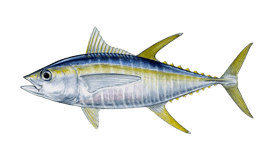
Yellowfin Tuna (Tuna)
The yellowfin tuna (Thunnus albacares), locally known as atún aleta amarilla, is one of the most sought-after game fish in Los Cabos. Famous for its incredible strength, powerful runs, and remarkable endurance, this species offers one of the most demanding and rewarding battles in offshore sportfishing.
Yellowfin tuna can be encountered year-round in the waters around San José del Cabo, although their abundance varies with water temperatures, ocean currents, and baitfish activity. They often gather in schools near offshore banks, underwater structures, and areas where dolphins are actively feeding.
Anglers typically target yellowfin tuna by trolling artificial lures or live bait, while chunking and vertical jigging can be particularly effective when schools are located. Medium to heavy fishing tackle is used depending on the size of the fish, with larger tuna requiring specialized equipment.
Prized for their excellent meat quality, yellowfin tuna are also among the region's most popular food fish. Responsible fishing and respect for Mexican catch limits help preserve this valuable species for future generations.
-

Wahoo
The wahoo (Acanthocybium solandri) is one of the fastest and most exciting game fish found in the waters of Los Cabos. Recognizable by its elongated body, sharp teeth, and distinctive blue vertical stripes, this powerful predator is famous for its explosive strikes, incredible speed, and thrilling runs.
Wahoo are generally associated with warm offshore waters, particularly around underwater banks, reef edges, and areas with strong currents near San José del Cabo. Fishing opportunities are often favorable during the late summer, fall, and early winter months, depending on ocean temperatures and baitfish activity.
Anglers typically target wahoo by high-speed trolling with diving plugs or artificial lures, although live bait presented at slower speeds can also be effective. Medium to heavy tackle in the 30–50 lb class is commonly used, while wire leaders help protect against the fish's razor-sharp teeth.
Highly prized for their firm, mild-flavored white meat, wahoo are among the most desirable catches in Los Cabos. Responsible fishing and respect for Mexican catch limits help maintain healthy fish populations.
-

Mahi Mahi (Dorado)
The mahi-mahi (Coryphaena hippurus), also known as dorado, is one of the most colorful and exciting game fish found in the waters of Los Cabos. Recognizable by its brilliant blue, green, and golden colors, this fast-growing predator is famous for its spectacular jumps, energetic fights, and aggressive strikes.
Mahi-mahi are commonly encountered around San José del Cabo, particularly during the warmer summer and fall months. They frequently gather near floating debris, drifting vegetation, and areas where ocean currents concentrate baitfish.
Anglers typically target dorado by trolling colorful artificial lures or presenting live bait, including sardines and mackerel. When fish are spotted near the surface, sight casting with spinning tackle can also provide exciting fishing opportunities. Light to medium tackle in the 20–30 lb class is commonly used.
Highly prized for their mild, delicious white meat, mahi-mahi are among the most popular catches in Baja California Sur. Responsible fishing and respect for Mexican catch limits help protect this valuable species.
-

Rooster Fish (Pez Gallo)
The roosterfish (Nematistius pectoralis), locally known as pez gallo, is one of the most iconic game fish of Los Cabos. Instantly recognizable by its spectacular comb-like dorsal fin and distinctive dark stripes, this powerful coastal predator is famous for its explosive surface strikes, impressive strength, and unforgettable fights.
Roosterfish inhabit the coastal waters around San José del Cabo, particularly near sandy beaches, rocky shorelines, and areas where baitfish gather. Fishing opportunities are generally strongest during the warmer months, especially from May through July, although seasonal conditions can vary.
Anglers commonly target roosterfish using live mullet, sardines, or mackerel, presented near the surface. Slow trolling, casting artificial lures, and fly fishing can also be effective. While roosterfish can be caught from shore, fishing from a boat provides greater flexibility to follow baitfish and explore productive coastal areas.
Unlike tuna or dorado, roosterfish are primarily valued for their sporting qualities rather than their meat. Catch and release is strongly recommended, with careful handling and recovery alongside the boat to help protect this remarkable species for future generations.
-

Jack Crevalle (Toro)
The Pacific jack crevalle (Caranx caninus), locally known as toro or jurel toro, is one of the strongest inshore game fish found in Los Cabos. Recognizable by its muscular silver body, deeply forked tail, and powerful swimming ability, this aggressive predator is famous for its explosive strikes and relentless fights.
Jack crevalle inhabit the coastal waters around San José del Cabo, particularly near rocky shorelines, sandy beaches, underwater structures, and areas where baitfish gather. They frequently travel in schools and may be spotted actively chasing smaller fish near the surface. Fishing opportunities depend on baitfish movements, currents, and local sea conditions.
Anglers typically target jack crevalle using live bait, topwater poppers, casting lures, or metal jigs retrieved quickly to imitate fleeing baitfish. Medium spinning tackle in the 20–30 lb class, combined with 30–40 lb braided line, provides an exciting challenge while maintaining control during powerful runs.
Although less prized for their meat than tuna or dorado, jack crevalle are highly valued for their exceptional fighting ability. Catch and release is encouraged when the fish will not be kept for consumption.
-
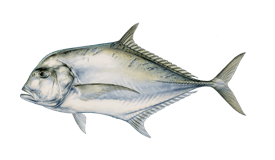
African Pompano (Palometa)
The African pompano (Alectis ciliaris), locally known as palometa, is an elegant and powerful game fish found in the waters of Los Cabos. Recognizable by its deep, laterally compressed silver body and deeply forked tail, this remarkable species is known for its speed, strength, and challenging fights.
African pompano can be encountered around San José del Cabo, particularly near rocky reefs, underwater structures, and areas where smaller fish and crustaceans gather. Their presence varies with water temperature, currents, and local feeding conditions.
Anglers can target African pompano using fly fishing techniques, light trolling, or carefully presented artificial lures. Fly anglers commonly use 8–10 weight rods equipped with strong-drag reels, while light to medium spinning tackle can also provide an exciting challenge.
One of the most fascinating characteristics of this species is its appearance during early development. Juvenile African pompano have exceptionally long, flowing fins that gradually shorten as they mature, giving young and adult fish strikingly different appearances.
Prized for both their fighting ability and excellent eating quality, African pompano are a rewarding catch for anglers exploring the diverse fishing opportunities of Baja California Sur.
-

Spanish Mackerel (Sierra)
The Pacific sierra mackerel (Scomberomorus sierra), locally known as sierra, is a fast and aggressive coastal game fish found in the waters of Los Cabos. Recognizable by its streamlined silver body, distinctive markings, and razor-sharp teeth, this energetic predator is known for its sudden strikes, impressive speed, and exciting fights on light tackle.
Spanish mackerel are commonly encountered in the coastal waters around San José del Cabo, particularly near sandy beaches, rocky shorelines, and areas where schools of sardines and other small baitfish gather. They often hunt in groups, chasing their prey close to the surface.
Anglers typically target sierra using light trolling or casting small, shiny artificial lures, including metal spoons and other baitfish imitations. Light tackle in the 12–20 lb class provides an exciting fishing experience, while thin wire or abrasion-resistant fluorocarbon leaders help prevent the fish's sharp teeth from cutting the line.
Prized for their flavorful meat and energetic fights, Spanish mackerel are an excellent target for anglers looking to enjoy inshore fishing in San José del Cabo. Fishing opportunities vary with baitfish activity, ocean currents, and seasonal conditions.
-
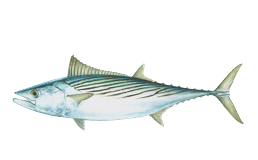
Bonito
The Pacific bonito (Sarda chiliensis) is a fast, energetic game fish found in the waters of Los Cabos. A close relative of tuna and mackerel, this streamlined predator is known for its powerful runs, aggressive strikes, and remarkable fighting ability despite its relatively small size.
Bonito can be encountered around San José del Cabo, particularly in coastal and offshore waters where schools of sardines, anchovies, and other small baitfish gather. They often travel in schools and may be spotted chasing prey near the surface. Their activity varies with ocean currents, water temperatures, and baitfish availability.
Anglers typically target bonito by trolling small artificial lures or casting metal jigs and baitfish imitations. Light to medium fishing tackle in the 20–30 lb class provides an exciting challenge, making bonito an enjoyable target for anglers of different experience levels.
Bonito also play an important role in the local marine food chain. Smaller bonito may be used as live bait when targeting larger predators such as marlin, making them valuable beyond their sporting qualities.
Although often overshadowed by larger game fish, bonito offer exciting fishing opportunities and a chance to experience the diversity of sportfishing in Baja California Sur.
-

Skipjack (Barilete)
The skipjack tuna (Katsuwonus pelamis), locally known as barrilete, is a fast and energetic pelagic fish commonly found in the offshore waters of Los Cabos. Recognizable by its streamlined body, dark blue back, and four to six distinctive horizontal stripes along its silver belly, this powerful swimmer belongs to the tuna family.
Skipjack tuna travel in schools and can be encountered around San José del Cabo, particularly in offshore areas where currents concentrate sardines and other small baitfish. Feeding birds and surface activity can sometimes help anglers locate active schools. Their presence varies with water temperatures, currents, and seasonal conditions.
Anglers typically target skipjack by trolling small artificial lures, casting metal jigs, or using bait and chumming when feeding schools are located. Light to medium fishing tackle in the 20–30 lb class provides exciting action, as these fish are known for their speed and determined fights.
Skipjack also play an important role in the local offshore ecosystem. Smaller skipjack may be used as live bait when targeting large predators such as blue and black marlin, depending on fishing conditions.
Although often overshadowed by yellowfin tuna and other larger game fish, skipjack offer an exciting challenge and contribute to the remarkable diversity of sportfishing in Baja California Sur.
-

Sail Fish (Pez Vela)
The sailfish (Istiophorus platypterus), locally known as pez vela, is one of the most spectacular billfish found in the waters of Los Cabos. Instantly recognizable by its enormous sail-like dorsal fin, elongated bill, and striking blue coloration, this elegant predator is famous for its incredible agility, spectacular jumps, and exciting fights.
Sailfish inhabit warm tropical and subtropical waters and can occasionally be encountered offshore near San José del Cabo. Their presence varies with ocean temperatures, currents, and seasonal baitfish movements, making every encounter a special experience for anglers.
Anglers typically target sailfish by slow trolling with live bait, including mackerel, or by presenting artificial lures near the surface. Light to medium offshore tackle in the 20–30 lb class can provide an exciting challenge, while appropriately sized circle hooks are recommended when fishing with natural bait to support safer catch-and-release practices.
Unlike tuna or dorado, sailfish are primarily valued for their sporting qualities rather than their meat. Catch and release is strongly recommended, with careful handling and minimal time out of the water to help protect these magnificent billfish for future generations.
-

Sword Fish (Pez Espada)
The swordfish (Xiphias gladius), locally known as pez espada, is one of the most fascinating and elusive predators found in the deep offshore waters of Los Cabos. Recognizable by its long, flattened sword-like bill, streamlined body, and impressive strength, this remarkable species is a rare and challenging catch for sportfishing enthusiasts.
Swordfish inhabit deep ocean waters off San José del Cabo, where they hunt squid and other fish. Unlike marlin, swordfish typically spend much of the daytime at considerable depths, often moving into shallower waters at night to feed.
Targeting swordfish requires specialized deep-drop fishing techniques, heavy-duty tackle, high-capacity reels, weighted rigs, and carefully presented natural bait such as squid. Their strength and deep-water habitat make swordfish fishing particularly demanding, even for experienced anglers.
One of their most extraordinary adaptations is a specialized system that warms their eyes and brain, helping them hunt effectively in cold, deep water.
Swordfish encounters are exceptionally uncommon during regular fishing charters in San José del Cabo. Targeting this species requires specialized equipment, suitable conditions, and dedicated planning rather than a standard offshore fishing trip.
-

Amberjack (Pez Fuerte)
The amberjack (Seriola rivoliana), also known as almaco jack or locally as pez fuerte, is one of the strongest and most challenging game fish found in the waters of Los Cabos. Recognizable by its muscular body, dark olive-to-silver coloration, and powerful swimming ability, this impressive predator is famous for its relentless fights and determination to escape toward underwater structures.
Amberjack inhabit deeper waters around San José del Cabo, particularly near rocky reefs, offshore banks, and steep underwater drop-offs. These powerful predators often remain close to structure, where they hunt smaller fish and squid. Their activity varies with ocean currents, water temperatures, and baitfish availability.
Anglers typically target amberjack using live bait, squid, or vertical jigging with heavy metal jigs. Heavy-duty fishing tackle, high-torque reels, and 50–65 lb braided line are commonly used to maintain control during powerful runs.
One of the greatest challenges when fighting an amberjack is preventing it from reaching the rocks, where the fishing line can easily break. Strong tackle, quick reactions, and steady pressure are essential when targeting these remarkable fish.
Prized for both their fighting ability and excellent eating quality, amberjack offer an exciting alternative to traditional offshore fishing for marlin, tuna, and dorado in Baja California Sur.
-

Yellowtail Amberjack (Jurel de Castilla)
The yellowtail amberjack (Seriola dorsalis), locally known as jurel de Castilla, is one of the strongest and most exciting game fish found in the waters of Los Cabos. Recognizable by its streamlined silver body, distinctive yellow stripe, and powerful yellow tail, this impressive predator is famous for its explosive strikes, remarkable strength, and demanding fights.
Yellowtail inhabit the waters around San José del Cabo, particularly near rocky reefs, offshore banks, and steep underwater drop-offs. They frequently gather in schools around submerged structures, where they hunt smaller fish and squid. Their activity varies with water temperatures, currents, and baitfish movements.
Anglers typically target yellowtail using live bait or vertical jigging with heavy metal jigs. Medium to heavy fishing tackle, high-torque reels, and strong braided line are commonly used to handle their powerful runs.
One of the greatest challenges when fighting a yellowtail is preventing it from diving toward rocky structures, where the fishing line can become damaged or break. Quick reactions, steady pressure, and proper tackle are essential for a successful fight.
Highly prized for both their fighting ability and excellent eating quality, yellowtail offer rewarding fishing opportunities in Baja California Sur.
-

Grouper (Cabrilla)
The leopard grouper (Mycteroperca rosacea), locally known as cabrilla sardinera, is a powerful bottom-dwelling game fish found in the waters of Los Cabos. Recognizable by its robust body, reddish-brown spots, and distinctive pale markings, this impressive predator is known for its aggressive strikes and determination to escape into rocky structures.
Grouper inhabit the coastal waters around San José del Cabo, particularly near rocky reefs, underwater banks, and areas offering shelter and abundant prey. They feed primarily on smaller fish and crustaceans, with their activity influenced by ocean currents, water temperatures, and feeding conditions.
Anglers typically target grouper using bottom fishing techniques, live bait, or vertical jigging with heavy metal jigs. Strong fishing tackle, high-torque reels, and braided line are commonly used to prevent hooked fish from escaping into rocks, where fishing lines can quickly become damaged or broken.
Highly prized for their firm, flavorful white meat, grouper are popular among anglers exploring the diverse fishing opportunities of Baja California Sur. Responsible fishing, respect for Mexican catch limits, and the voluntary release of large breeding fish help support healthy populations and sustainable sportfishing.
-

Cubera Snapper (Pargo)
The Pacific cubera snapper (Lutjanus novemfasciatus), also known as Pacific dog snapper or locally as pargo, is one of the largest and most powerful snapper species found in the waters of Los Cabos. Recognizable by its robust body, reddish-brown coloration, strong jaws, and prominent canine teeth, this aggressive predator is famous for its powerful strikes and challenging fights.
Cubera snapper inhabit the coastal waters around San José del Cabo, particularly near rocky reefs, underwater structures, and steep drop-offs. These powerful predators often remain close to shelter, where they ambush smaller fish and crustaceans.
Anglers typically target cubera snapper using bottom fishing techniques with live bait, heavy tackle, or vertical jigging. Strong braided line, sturdy hooks, and powerful reels are essential, as hooked fish frequently dive toward rocky structures, where fishing lines can quickly break.
Highly prized for their firm, flavorful white meat, cubera snapper are an exciting target for anglers exploring the diverse fishing opportunities of Baja California Sur. Responsible fishing, respect for Mexican catch limits, and the voluntary release of large breeding specimens help support healthy populations for future generations.
-

California Sheephead (Vieja)
The California sheephead (Bodianus pulcher, formerly Semicossyphus pulcher), locally known as vieja californiana, is one of the most distinctive reef fish found along the Pacific coast of Baja California. Recognizable by its powerful jaws, prominent teeth, and striking coloration, this unusual species is especially fascinating to anglers interested in marine life.
California sheephead inhabit rocky reefs and underwater structures, where they feed on sea urchins, crabs, mollusks, and other bottom-dwelling invertebrates. Their geographic range extends to southern Baja California and the Gulf of California, although encounters around San José del Cabo are less common than those involving typical local reef fish.
Anglers may encounter sheephead while bottom fishing with natural bait or small jigs near rocky structures. Light to medium tackle and carefully presented bait are generally suitable for these fish.
One of their most remarkable characteristics is their ability to change sex during their lifetime. Sheephead typically begin life as females, and some develop into males as they mature. Adult males display distinctive black heads and tails with reddish-pink bodies.
Because California sheephead are classified as a vulnerable species, catch and release is strongly recommended. Careful handling and responsible fishing practices help protect these remarkable reef fish and their important role in marine ecosystems.
-

Pacific Snook (Robalo)
The Pacific snook (Centropomus spp.), locally known as róbalo, is a powerful and elusive coastal game fish occasionally encountered in the waters of Los Cabos. Several species inhabit the Mexican Pacific coast, including the Pacific white snook (Centropomus viridis) and black snook (Centropomus nigrescens). Recognizable by their elongated silver bodies, prominent lower jaws, and distinctive dark lateral lines, these predators are known for their aggressive strikes and challenging fights.
Snook are relatively uncommon around San José del Cabo, where they may be encountered near estuaries, coastal lagoons, rocky jetties, and sheltered areas where baitfish gather. Their activity depends on water temperatures, tidal movements, and local feeding conditions.
Anglers typically target snook by presenting live mullet near underwater structures or casting artificial lures that imitate small baitfish. Medium spinning tackle, strong hooks, and abrasion-resistant fluorocarbon leaders are useful when fishing close to rocks and other obstacles.
Snook are skilled ambush predators that often strike from cover, making accurate bait presentation particularly important.
Because these fish are not commonly encountered in the local fishing grounds, catch and release is encouraged to help preserve fishing opportunities and protect local populations.
Cabo Fish Species – Frequently Asked Questions
What fish can you catch in Cabo?
Anglers visiting Los Cabos may target striped marlin, blue marlin, yellowfin tuna, dorado, wahoo, roosterfish, jack crevalle, snapper, grouper, and other seasonal species. The fish available on any given day depend on location, water conditions, and seasonal activity.
What is the difference between offshore and inshore fishing in Cabo?
Offshore fishing generally focuses on species such as marlin, tuna, dorado, and wahoo in deeper waters or around offshore banks.
Inshore fishing takes place closer to the coast and may target roosterfish, jack crevalle, sierra mackerel, and other coastal species.
The best choice depends on your preferences, the season, and ocean conditions.
What is the best time of year to fish in Los Cabos?
Fishing opportunities are available throughout the year, but different species are more active during different seasons.
Striped marlin are commonly associated with cooler months, while blue marlin and dorado are often targeted during warmer periods. Yellowfin tuna, wahoo, and coastal species vary with local conditions.
Visit our Cabo Fishing Calendar for a month-by-month overview.
Where do Exotic Fish Cabo fishing charters depart?
All Exotic Fish Cabo private fishing charters depart exclusively from Puerto Los Cabos Marina in San José del Cabo, Baja California Sur, Mexico.
Guests staying in Cabo San Lucas are welcome to book, but must travel to Puerto Los Cabos Marina for departure.
Ready to Experience Fishing in Los Cabos?
Exotic Fish Cabo offers private fishing charters for families, couples, beginners, and experienced anglers.
Choose from 6-hour trips starting at $350 USD per boat for selected 1–2 guest options or 8-hour trips starting at $550 USD per boat. Final prices depend on the boat and group size.
All charters depart from Puerto Los Cabos Marina in San José del Cabo, normally at 6:30 AM.
Explore our private fishing charters to compare available options and contact our team to plan a trip around your favorite fish species.
Remember that fishing is seasonal and no particular catch can be guaranteed.